Minister of Higher Education and Scientific Research Chairs a Working Session on Mobilising National Funding and Developing High-Performance Computing and Artificial Intelligence Infrastructure
ministerial activities
Minister of Higher Education and Scientific Research Chairs a Working Session on Mobilising National Funding and Developing High-Performance Computing and Artificial Intelligence Infrastructure
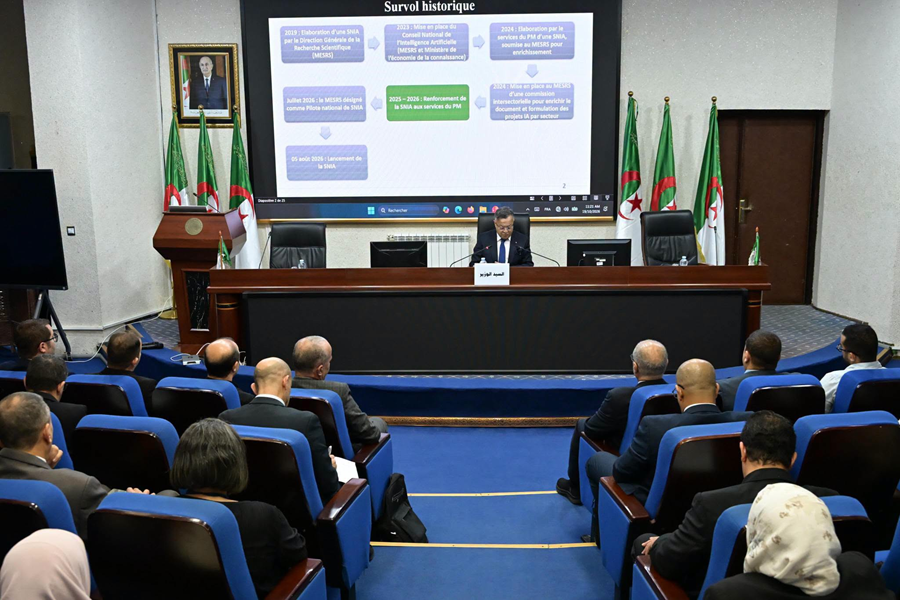
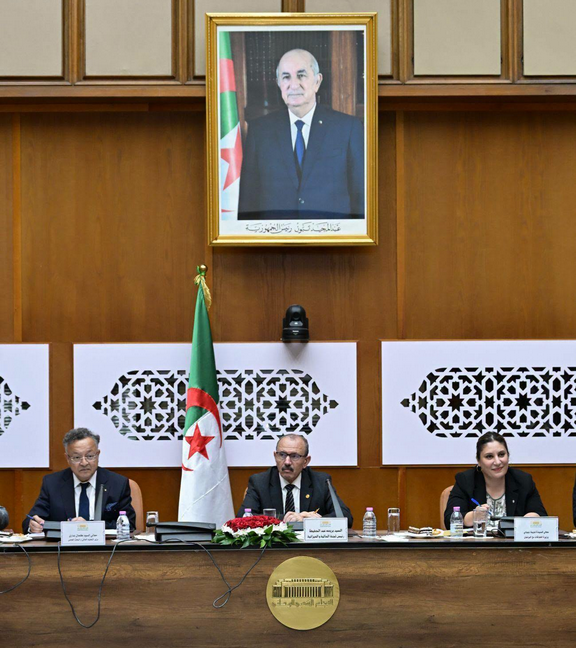
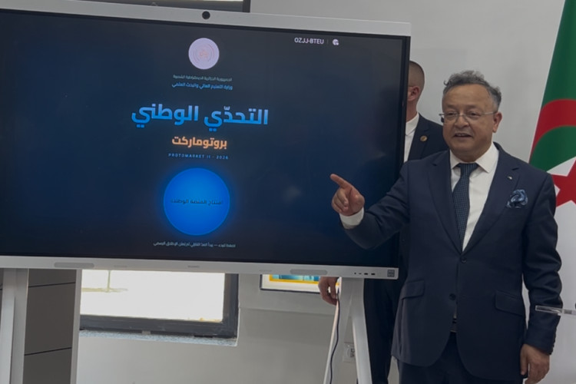
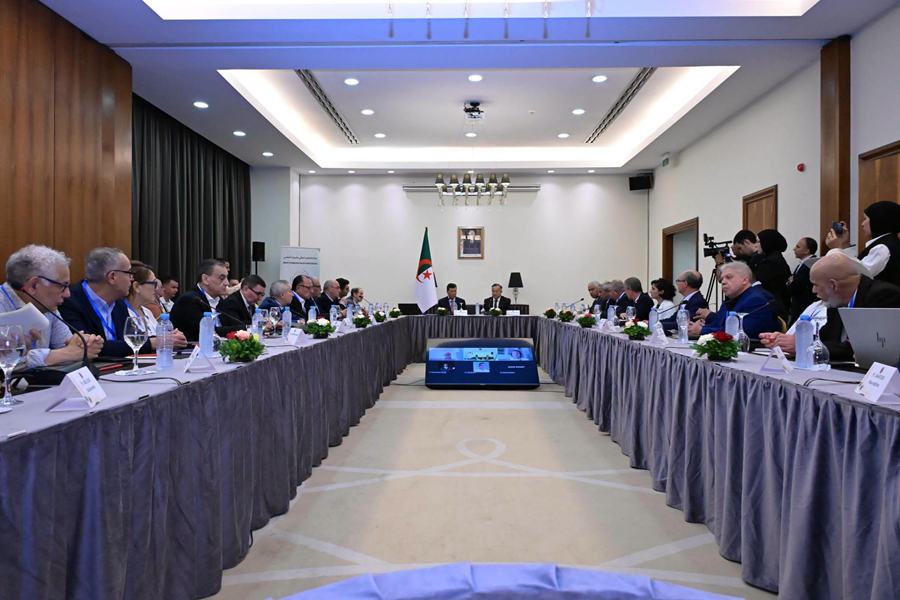
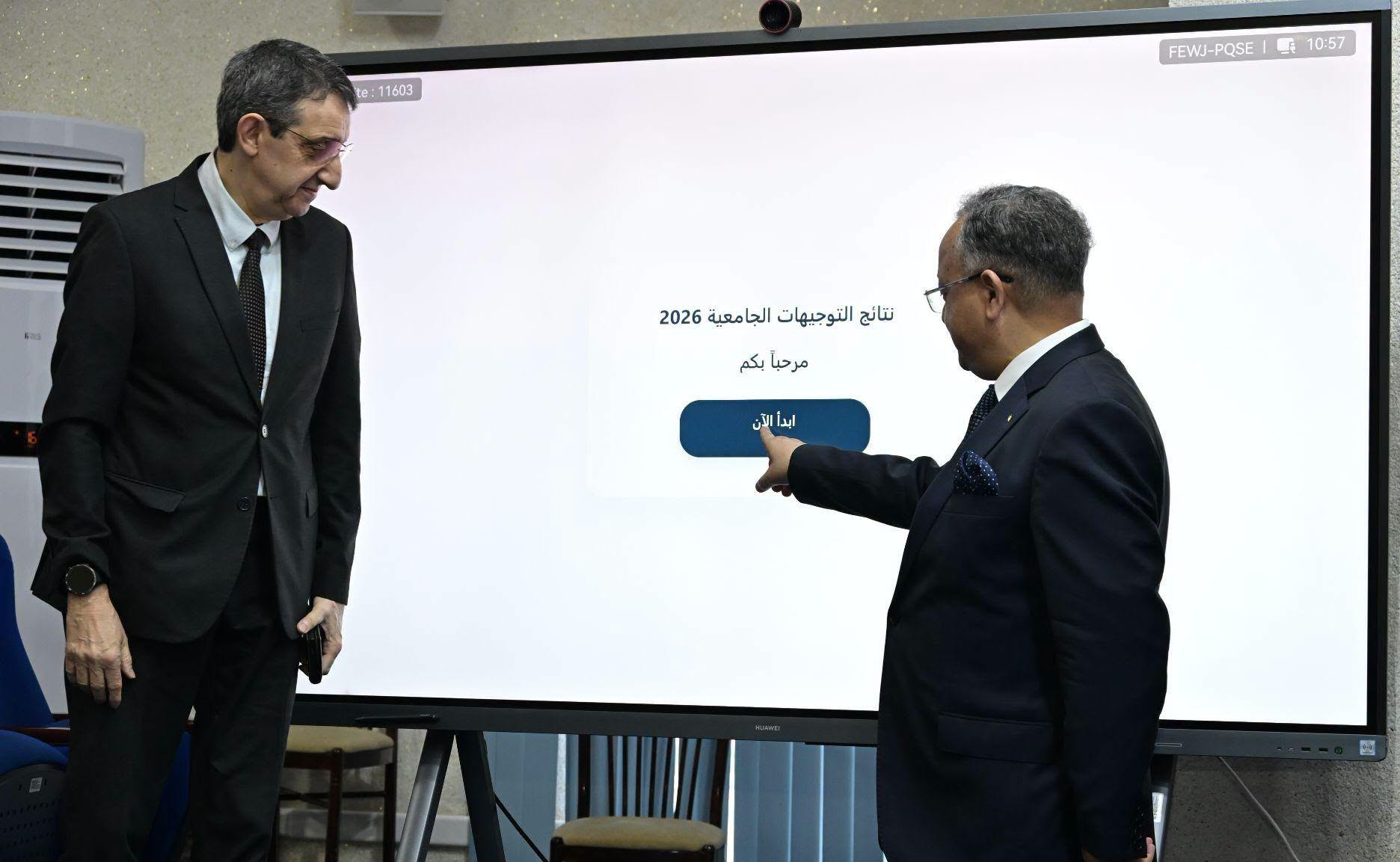
As part of the implementation of the National Artificial Intelligence Strategy, the Minister of Higher Education and Scientific Research, Mr. Kamel Baddari, chaired a working session on Monday, 19 October 2026, at the Ministry’s headquarters, with representatives of several economic enterprises. The meeting focused on exploring ways to mobilise national funding and coordinate efforts to develop high-performance computing infrastructure and strengthen scientific research and innovation capabilities in the field of artificial intelligence.
The meeting highlighted the need to develop an integrated national programme extending to 2030, built around four complementary strategic objectives:
First: Mobilising the necessary financial resources. With contributions from public- and private-sector enterprises, the aim is to secure the funding required to acquire graphics processing units (GPUs), thereby strengthening Algeria’s advanced computing capabilities and providing researchers and engineers with the technical resources needed to develop innovative solutions.
Second: Funding scientific research and applied projects. Funding and research efforts will be directed towards addressing the country’s economic and technological needs, strengthening links between scientific research and the economic sector, and facilitating the translation of research findings into practical solutions, products and services with added value.
Third: Strengthening the scientific and technical capabilities of the specialised centre for artificial intelligence and data. This objective seeks to enable the centre to play a central role in advancing cutting-edge research, generating knowledge and keeping pace with global technological transformations.
Fourth: Attracting high-level scientific and technological talent. This includes attracting national and international expertise, with particular attention to Algerian professionals and researchers living abroad. The objective will be pursued through attractive recruitment mechanisms that provide an advanced research environment, stimulating professional conditions and competitive salaries, in accordance with applicable legislation.
In this context, the participants agreed to establish a joint working framework bringing together representatives of economic enterprises, the National Commission responsible for implementing the National Artificial Intelligence Strategy, and the relevant public institutions. This framework will be tasked with preparing an operational roadmap extending to 2030. The roadmap will identify needs and priorities, establish funding mechanisms and partners’ contributions, define implementation phases and timelines, and introduce precise indicators to measure progress and assess scientific, economic and technological impact.
This approach reflects a strategic vision that views investment in artificial intelligence as an investment in knowledge, human capital and national innovation capacity, rather than merely the acquisition of equipment and technologies. It also underscores that building an integrated national ecosystem in this field is a shared responsibility requiring coordinated efforts across sectors and economic enterprises, as well as the mobilisation of national talent and its engagement in projects with tangible scientific, economic and technological impact.
The ultimate aim is to strengthen Algeria’s technological sovereignty, consolidate the knowledge economy, and make scientific research and innovation key drivers of sustainable development and national economic growth.